In a life threatening emergency dial Triple Zero (000)
Storm and Flood Assistance
A working smoke alarm increases the chances of you, your family and your home surviving a house fire. This guide contains important information about installation and maintenance of smoke alarms, to keep Canberrans safe in the event of house fire.
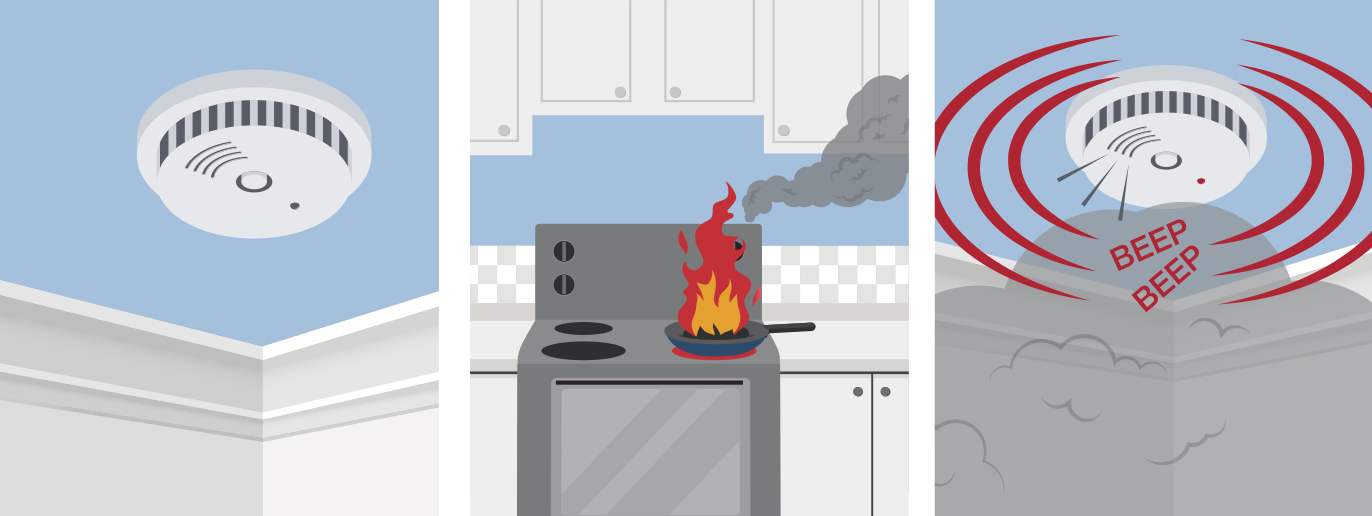
Working smoke alarms are compulsory in the ACT. They beep loudly when there’s a fire, waking residents and giving them time to escape from a burning house and call ACT Fire & Rescue.
When we sleep, we can lose our sense of smell and may not be aware of smoke.
Smoke alarms should be installed as per the manufacturer’s instructions and the National Construction Code, on or near the ceiling in bedrooms or in the corridor that leads to bedrooms. If you have a multi-level home, smoke alarms must be installed on each level, and be interconnected. ACTF&R recommend that all houses have an interconnected smoke alarm in each bedroom, in each bedroom corridor and on each level of a property.
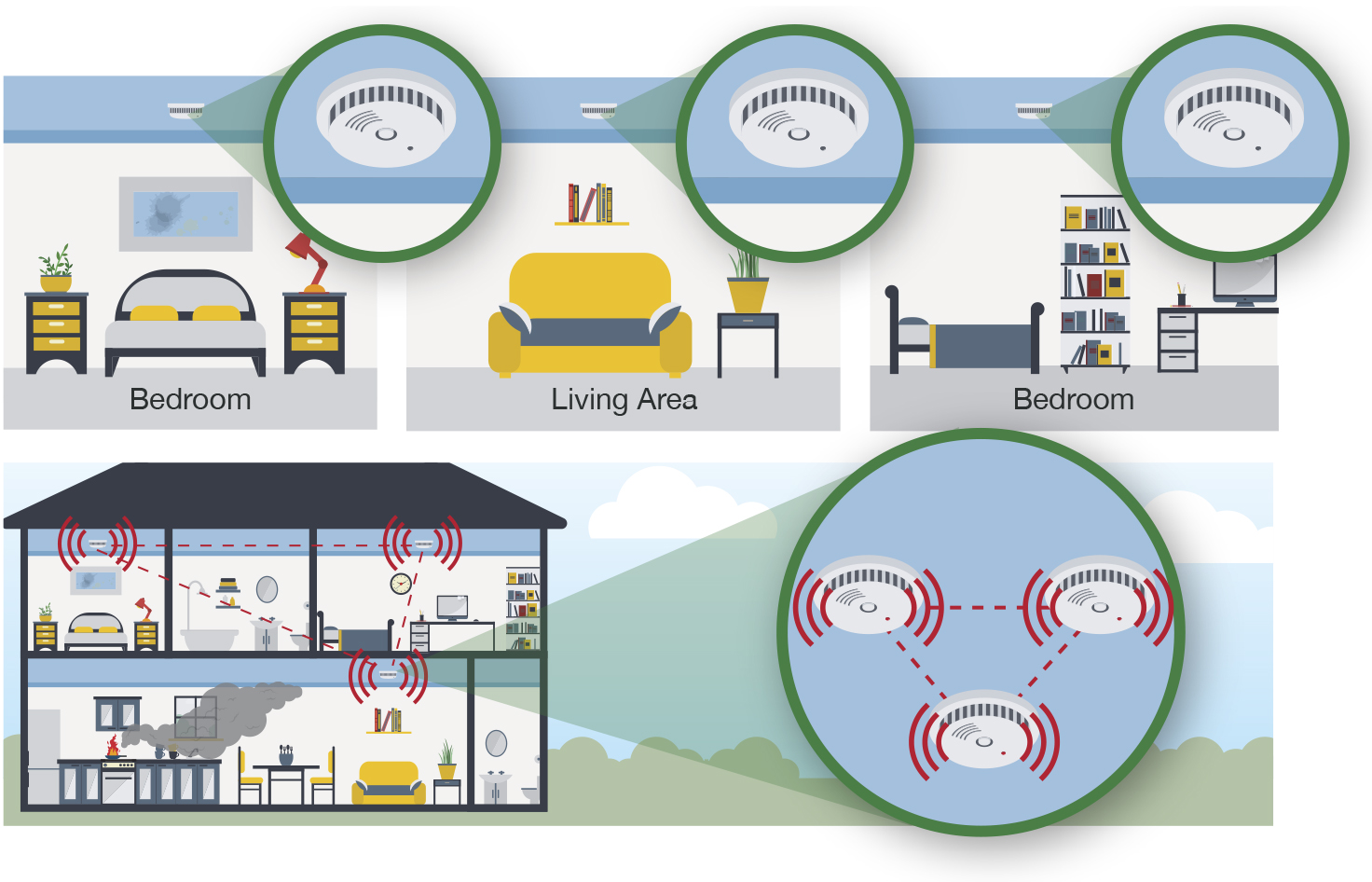
Where possible, your smoke alarms should be connected to each other so that when one sounds, they all sound. This is called ‘interconnected’. Interconnection means that the smoke alarms communicate with each other so that if one smoke alarm activates all the smoke alarms in the home go off, giving all residents the best chance of getting out safely before they are overcome by smoke.
Please consult with a licensed electrician if required and follow the manufacturer’s instructions.
Smoke Alarms for the deaf or hard of hearing
There are specialised smoke alarms available for people who are deaf or hard of hearing with a strobe light and a vibrating pad that can be placed under the pillow.
These activate when the smoke alarm sounds and some can be interconnected with conventional audible alarms in different locations within the home. If one of the alarms senses smoke, all alarms will sound, the strobe will flash and the vibrating pad will vibrate.
ACT Fire & Rescue can assist with the supply and installation of smoke alarms for eligible persons who are deaf or hard of hearing.
Hard of Hearing Smoke Alarm Application
Electrical fires and faults cause 40% of house fires.
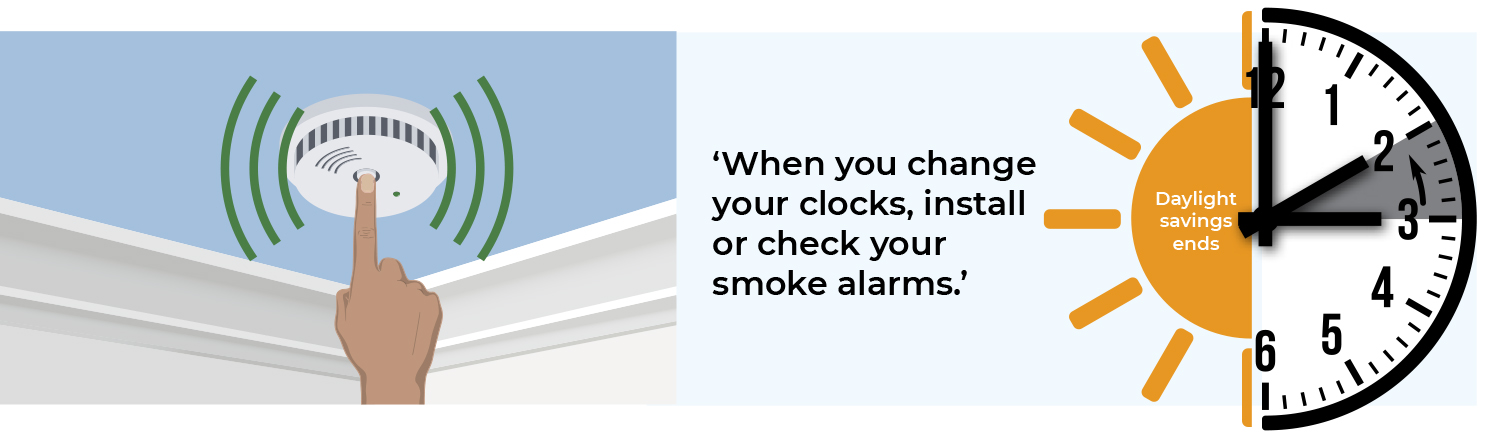
Smoke alarms should be tested monthly. Smoke alarms with Lead or alkaline batteries need to be replaced each year. The end of daylight savings is a good reminder.
If you have an ionisation smoke alarm that is approaching its expiry date (usually 10 years) or it has become faulty, ACT Fire & Rescue encourages you to replace it with a photoelectric smoke alarm.
There are three common types of smoke alarms:
ACT Fire & Rescue recommends wherever possible, hard-wired and interconnected smoke alarms are installed. Alternatively, alarms with a 10-year embedded lithium-ion battery are a great choice for DIY, as the battery lasts until the entire smoke alarm should be replaced.

Smoke alarms should be replaced every 10-years, regardless of the power source.
All rental properties must legally have a smoke alarm compliant with the Australian Standard AS3786.
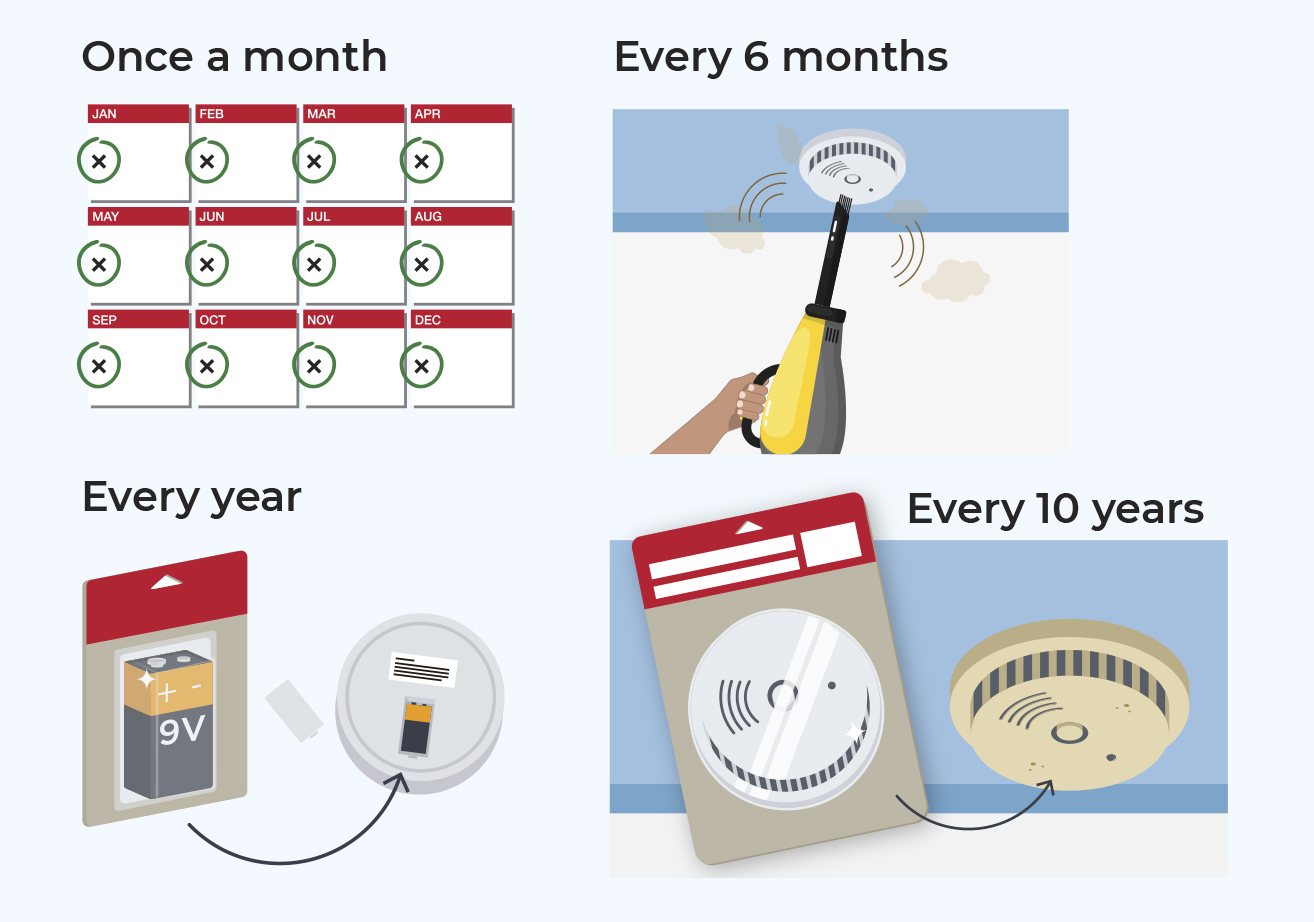
Test your smoke alarms every month by pressing and holding the test button for at least five seconds until you hear the beeps.
Vacuum dust off your smoke alarms every six months. Keeping your smoke alarms free of particles to help reduce false alarms and ensure smoke can easily reach the internal sensor.
Replace lead or alkaline batteries every 12 months.
Replace all smoke alarms with new 10-year lithium powered smoke alarms every 10 years, or earlier if specified by the manufacturer. A hard-wired alarm must be replaced with a hard-wired alarm.
If safe, identify what has triggered the alarm and if there is a fire, evacuate your home and call 000.
Illustrations above, have been kindly provided by Country Fire Authority (CFA)